
How Often Should Pipes Be Replaced?
•
hbsanvo@gmail.com
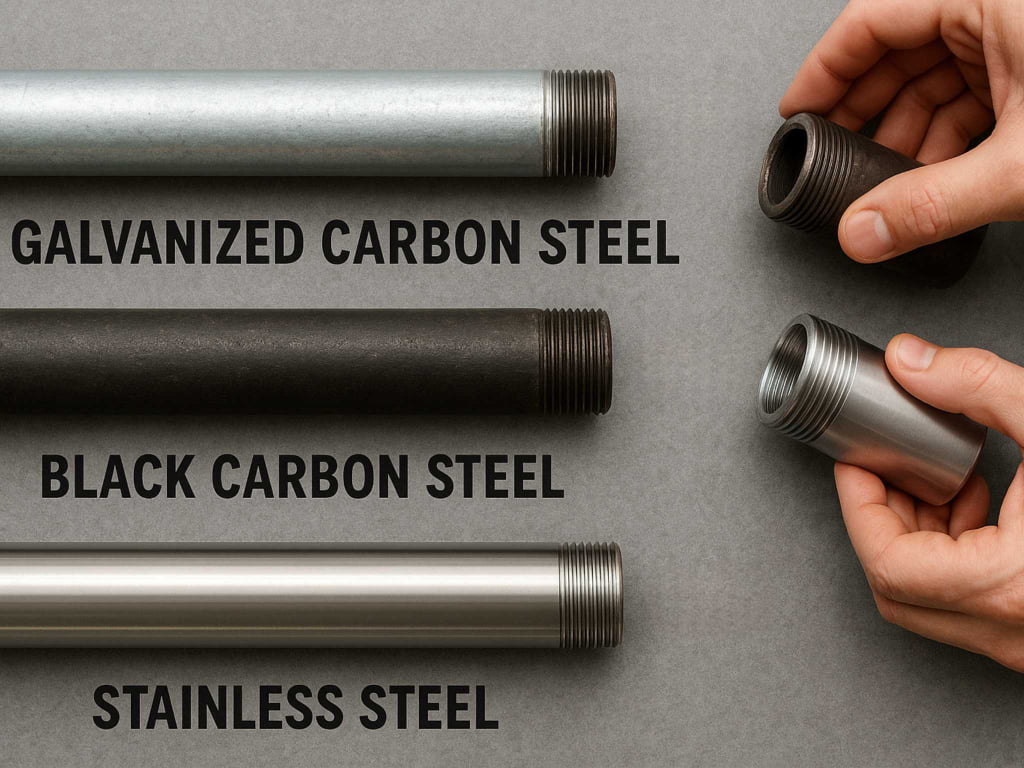
- Stainless Steel Pipes: 50+ years (low corrosion) / 20–30 years (harsh conditions).
- Galvanized Steel Pipes: 40–50 years (dry) / 20–25 years (wet/acidic).
- Carbon Steel Pipes: 15–20 years (uncoated) / 30+ years (with protective linings).
(Note: Actual lifespan depends on environment, maintenance, and usage intensity.)
When Should You Replace Your Pipes?
Recognizing the signs of pipe deterioration is essential to avoid costly damage:
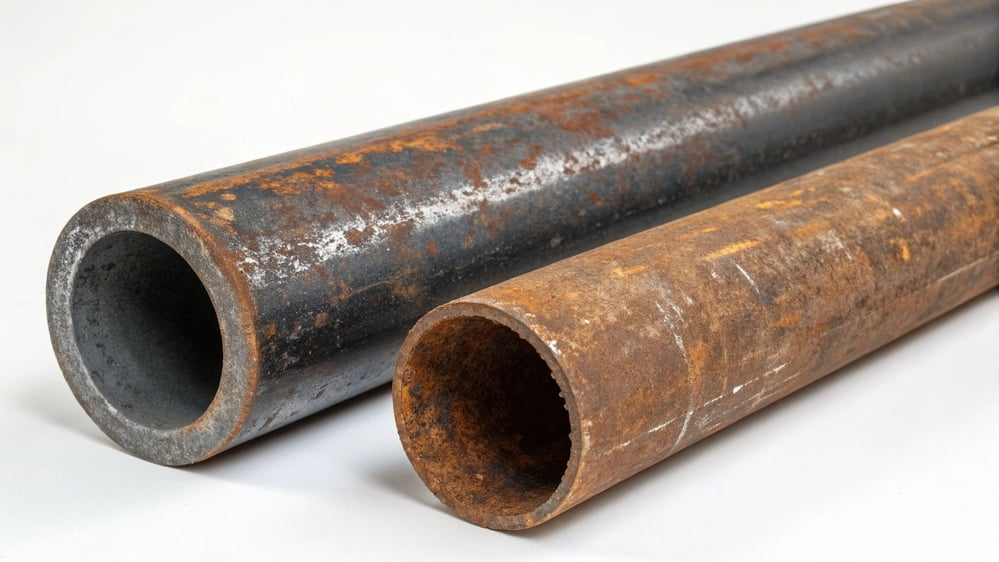
- Visible Corrosion: Rust or scaling on steel pipe or galvanized pipe indicates weakening.
- Leaks or Cracks: Frequent leaks suggest structural failure.
- Discolored Water: Brown or yellow water signals internal pipe corrosion.
- Reduced Water Pressure: Blockages or pipe narrowing may necessitate replacement.
How to Replace Pipes: A Step-by-Step Guide
Replacing pipes involves careful planning and execution:
- Assess the Problem: Identify the extent of damage and the type of pipe (stainless steel pipe, carbon steel pipe, etc.) needing replacement.
- Choose the Right Material: Select pipes based on durability, corrosion resistance, and application requirements.
- Hire Professionals: Engage certified plumbers or contractors for precise installation.
- Install and Test: Ensure the new pipes are properly fitted and tested for leaks.
Ready to discuss your project?
Our experts are here to help you find the perfect piping solution for your needs.
Related Articles
Black Iron vs Galvanized
Two commonly considered options for selecting materials for a piping system are black iron and…
Comparing 5 Different Types of Gas Piping
Types of Gas Piping Picking the right pipe for your gas line isn’t just about…
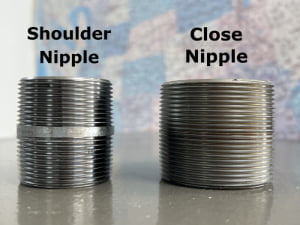
What is the Difference between a Shoulder Nipple and a Close Nipple?
Closed nipples are all threads without an unthreaded pipe. Shoulder nipple, threaded on both ends…