S
SANVO

Industrial Piping Knowledge Hub

In-depth technical articles covering pipes, pipe fittings, flanges, materials, standards, dimensions, and application guidance for buyers.

Search Articles

Searching...

Filter by Category

Our Manufacturing Capabilities

  • State-of-the-art production lines
  • Precision CNC machining
  • Advanced welding techniques
  • Rigorous quality control

Export Countries

  • North America
  • Europe
  • Middle East
  • Asia Pacific

Standards We Cover

  • ASTM
  • ASME
  • DIN
  • EN

Certifications

  • ISO 9001:2015
  • PED 2014/68/EU
  • API Q1
  • CE Marking
Pipes

Pipes

A steel pipe is steel with a hollow section and its length is much greater than its diameter or circumference. According to the cross-sectional shape, it is divided into round, square, rectangular, and special-shaped steel pipes; according to the material, it is divided into carbon structural steel pipes, low-alloy structural steel pipes, alloy steel pipes, […]

Read More
pipe dimension

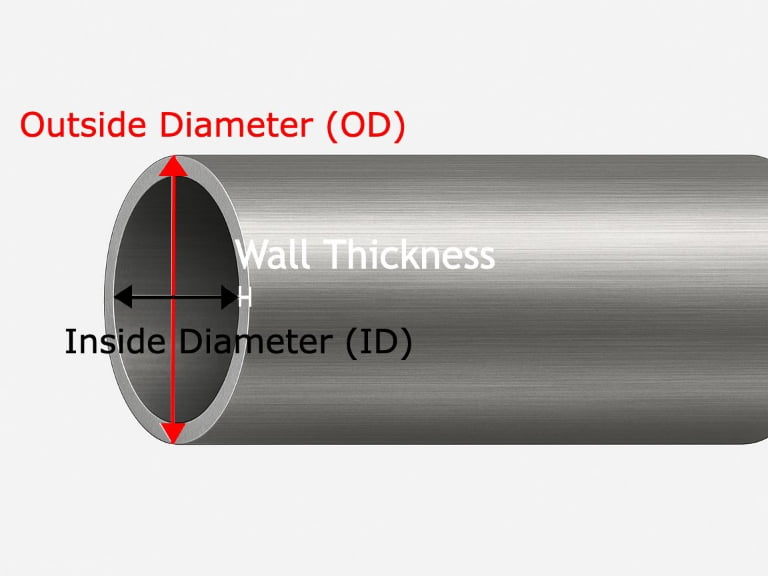
OD, ID, NPS Explained and Pipe Schedule Table

The dimensions of steel pipe directly determine their compatibility, flow performance, pressure-bearing capacity, and connection standards. Understanding steel pipe dimensions can be confusing—OD, ID, NPS, DN, pipe size dimension chart… If you have ever felt confused about material selection, this article will clarify all the key concepts for you. Before Everything: Understanding Diameter To fully […]

Read More
pipe schedule

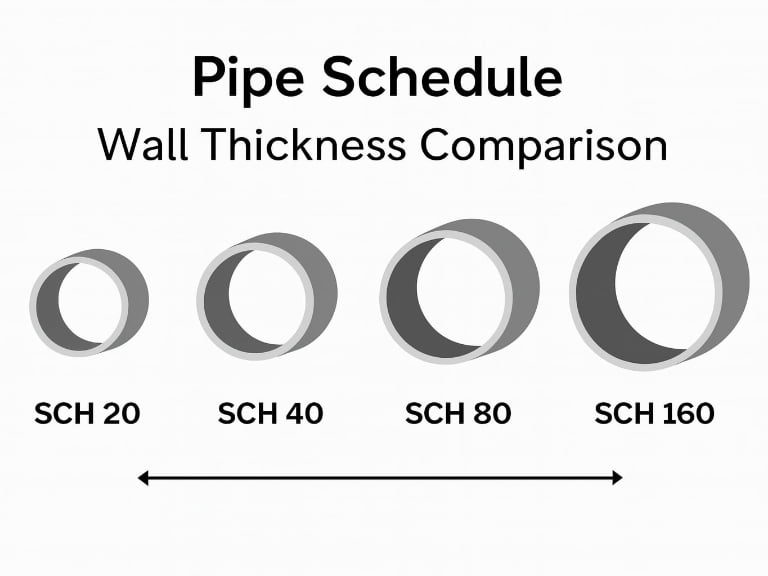
What Is Pipe Schedule? Guide to Pipe Wall Thickness

Pipe schedule is a pipe wall thickness grade, a numbering system used to represent a series of steel pipe wall thicknesses, formulated by the ASME/ANSI standard. The pipe schedule does not indicate a material or pressure grade, but a wall thickness series number. Definition of Pipe Schedule Pipe schedule = Wall Thickness Number The higher […]

Read More
seamless pipe vs weldedp pipe

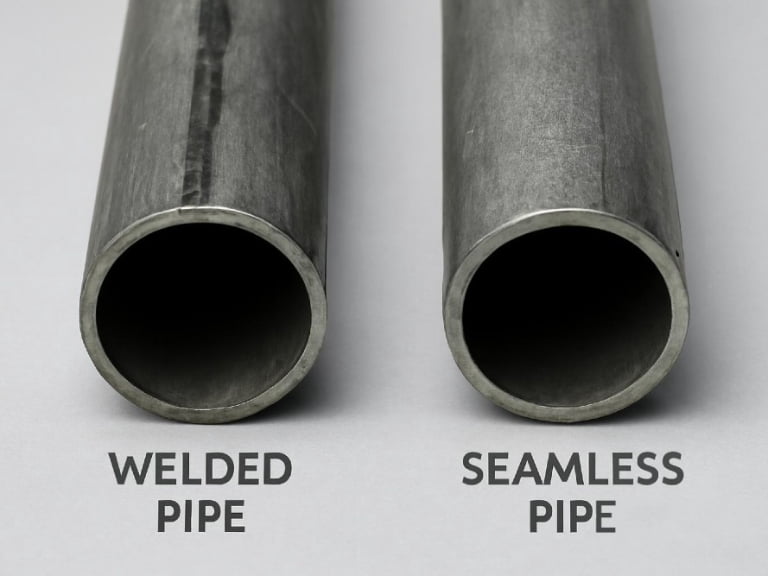
Ultimate Guide to Seamless and Welded Steel Pipes

Welded Pipe Manufacturing Process Welded steel pipes are produced by forming a steel coil or plate into a cylindrical shape through hot or cold rolling and welding. Welding and forming methods vary depending on the product. After welding, pipes undergo internal and external seam trimming and smoothing, end conditioning (plain, grooved, or threaded), and anti-corrosion […]

Read More
flow control valve

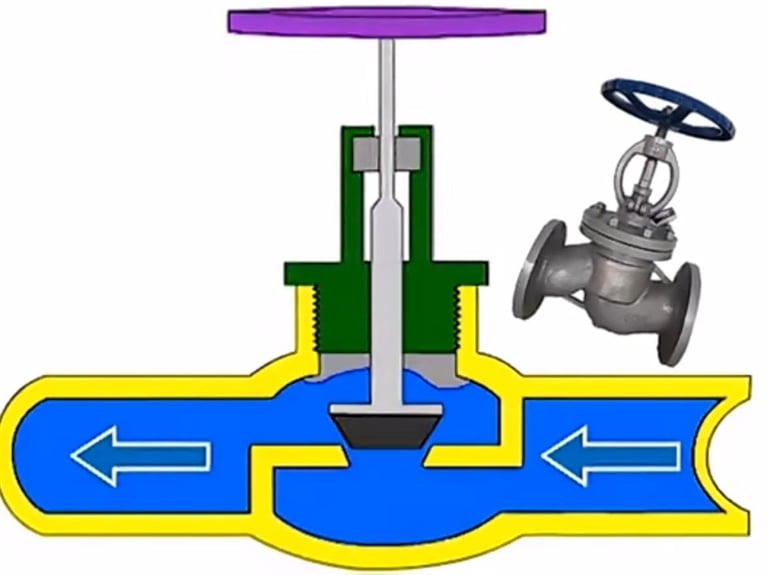
Flow, Pressure and Valve Selection Guide

Relationship between Pressure and Flow Rate “Pressure” of a pipe refers to the internal pressure that the pipe can withstand or actually bears during use. This pressure results from forces exerted on the pipe wall by either flowing or stationary liquid or gas in the pipelines. It can be understood as: the pressure exerted by the internal […]

Read More
types of pipe ends

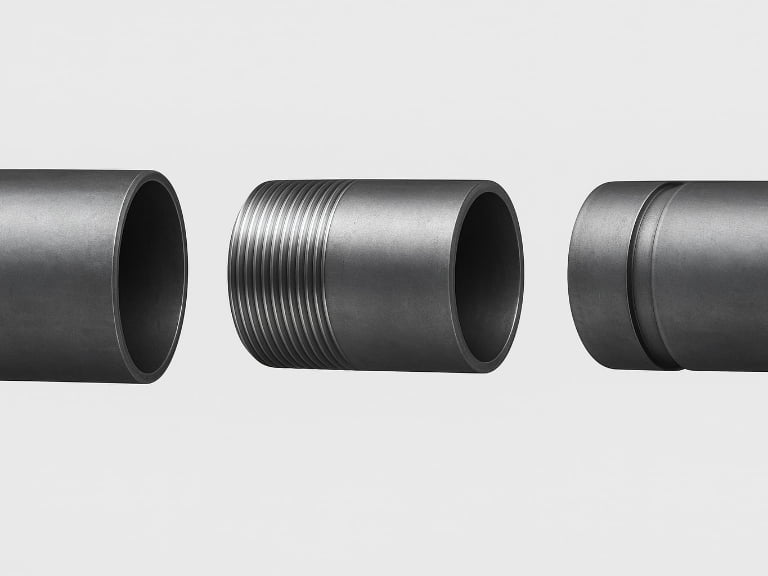
Appearances and Benefits of All Kinds of Pipe Ends

  Threaded End The threaded end is the end of pipes that have male threads or female threads manufactured by mechanical processing, enabling pipes to be directly connected with pipe fittings through the threaded end. The threaded end is gradually tightened to achieve a seal and lock on the connection. The thread connection is fast […]

Read More
difference between bspt and npt

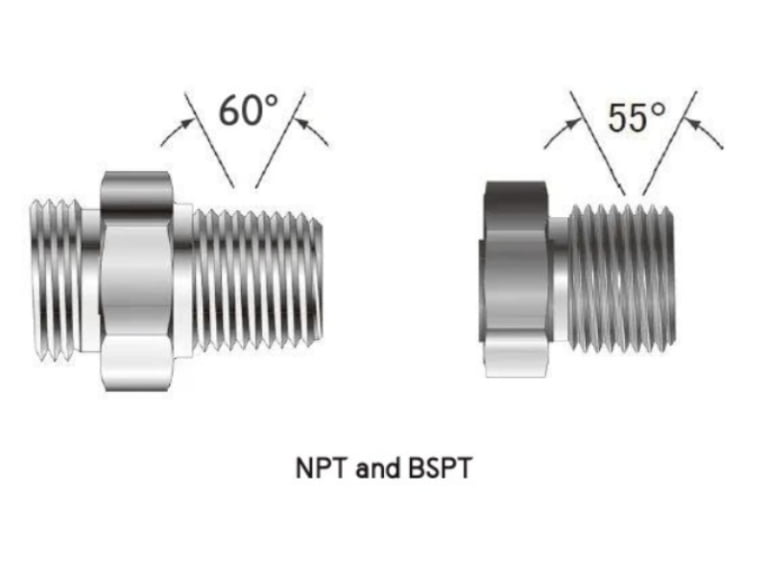
BSPT vs. NPT: How to Distinguish and Select Them?

What is the NPT Thread? NPT (National Pipe Thread) is an American standard taper thread that features a specific taper angle, sealing achieved through extrusion between threads. NPT thread belongs to the ANSI/ASME B1.20.1 standards. The NPT thread is widely used in America, parts of the Middle East, water heat, fire sprinkler, petrochemical, and gas […]

Read More
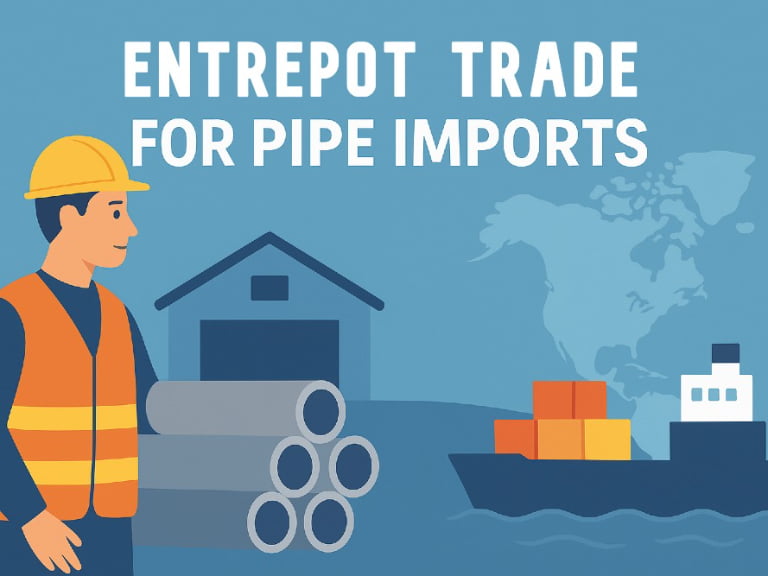
entrepot trade

EntrePot Trade Strategies to Simplify Pipe Sourcing

What is Entrepot Trade? The entrepot trade involves exporting products from the producing country to a third country, and then from that third country to the final importing country. This trade method is widely used in the field of industrial products, more suitable for importers who need to optimize taxes, improve customs clearance efficiency, and […]

Read More