hbsanvo.com

Seg–Sex 08h–18h


contato@tubosteel.com | +55 11 3333-4444

 
SANVO

Tubos & Conexões Industriais


How Often Should Pipes Be Replaced?

How Often Should Pipes Be Replaced?

Home / Blog / How Often Should Pipes Be Replaced?
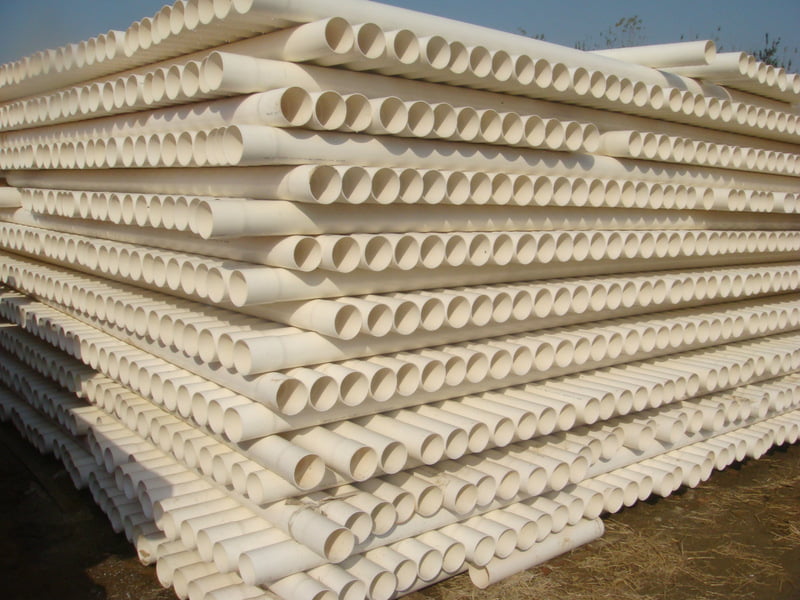
plumbing pipes
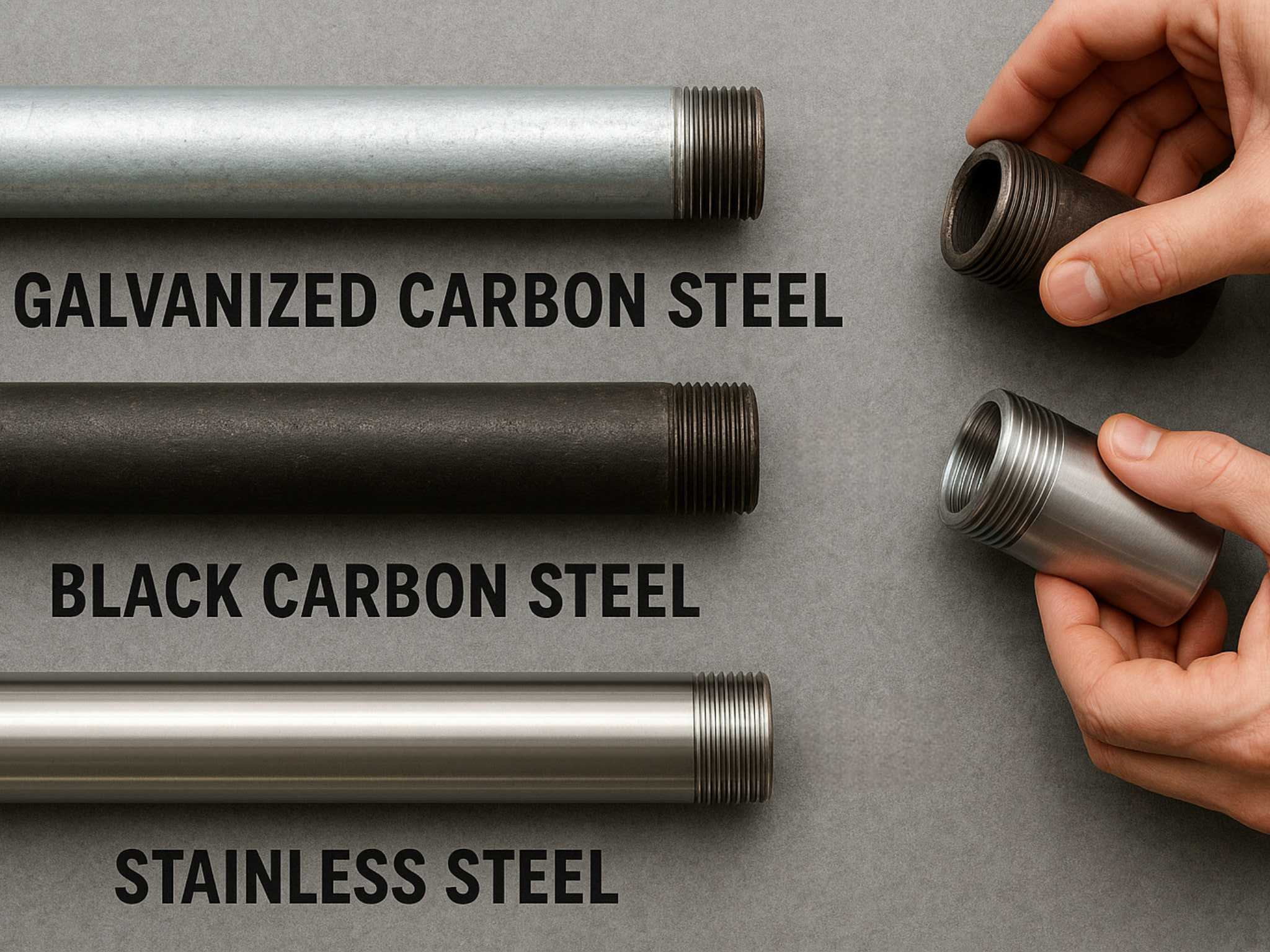
  • Stainless Steel Pipes: 50+ years (low corrosion) / 20–30 years (harsh conditions).
  • Galvanized Steel Pipes: 40–50 years (dry) / 20–25 years (wet/acidic).
  • Carbon Steel Pipes: 15–20 years (uncoated) / 30+ years (with protective linings).

(Note: Actual lifespan depends on environment, maintenance, and usage intensity.)

When Should You Replace Your Pipes?

Recognizing the signs of pipe deterioration is essential to avoid costly damage:

  • Visible Corrosion: Rust or scaling on steel pipe or galvanized pipe indicates weakening.
  • Leaks or Cracks: Frequent leaks suggest structural failure.
  • Discolored Water: Brown or yellow water signals internal pipe corrosion.
  • Reduced Water Pressure: Blockages or pipe narrowing may necessitate replacement.
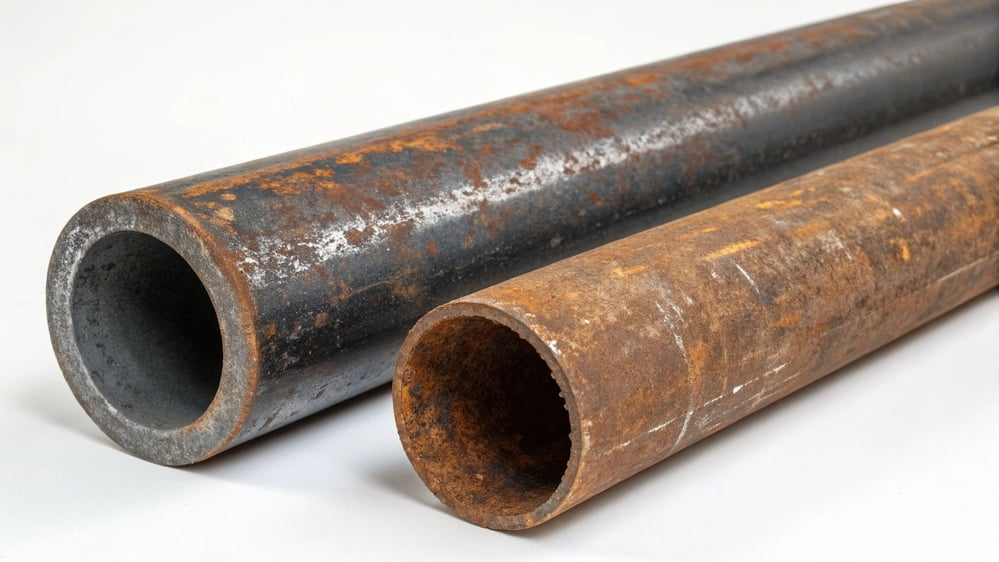
rusted pipes

How to Replace Pipes: A Step-by-Step Guide

Replacing pipes involves careful planning and execution:

  1. Assess the Problem: Identify the extent of damage and the type of pipe (stainless steel pipecarbon steel pipe, etc.) needing replacement.
  2. Choose the Right Material: Select pipes based on durability, corrosion resistance, and application requirements.
  3. Hire Professionals: Engage certified plumbers or contractors for precise installation.
  4. Install and Test: Ensure the new pipes are properly fitted and tested for leaks.
  • Stainless Steel Pipes: 50+ years (low corrosion) / 20–30 years (harsh conditions).
  • Galvanized Steel Pipes: 40–50 years (dry) / 20–25 years (wet/acidic).
  • Carbon Steel Pipes: 15–20 years (uncoated) / 30+ years (with protective linings).

(Note: Actual lifespan depends on environment, maintenance, and usage intensity.)

When Should You Replace Your Pipes?

Recognizing the signs of pipe deterioration is essential to avoid costly damage:

  • Visible Corrosion: Rust or scaling on steel pipe or galvanized pipe indicates weakening.
  • Leaks or Cracks: Frequent leaks suggest structural failure.
  • Discolored Water: Brown or yellow water signals internal pipe corrosion.
  • Reduced Water Pressure: Blockages or pipe narrowing may necessitate replacement.

rusted pipes

How to Replace Pipes: A Step-by-Step Guide

Replacing pipes involves careful planning and execution:

  1. Assess the Problem: Identify the extent of damage and the type of pipe (stainless steel pipecarbon steel pipe, etc.) needing replacement.
  2. Choose the Right Material: Select pipes based on durability, corrosion resistance, and application requirements.
  3. Hire Professionals: Engage certified plumbers or contractors for precise installation.
  4. Install and Test: Ensure the new pipes are properly fitted and tested for leaks.
  • Stainless Steel Pipes: 50+ years (low corrosion) / 20–30 years (harsh conditions).
  • Galvanized Steel Pipes: 40–50 years (dry) / 20–25 years (wet/acidic).
  • Carbon Steel Pipes: 15–20 years (uncoated) / 30+ years (with protective linings).

(Note: Actual lifespan depends on environment, maintenance, and usage intensity.)

When Should You Replace Your Pipes?

Recognizing the signs of pipe deterioration is essential to avoid costly damage:

  • Visible Corrosion: Rust or scaling on steel pipe or galvanized pipe indicates weakening.
  • Leaks or Cracks: Frequent leaks suggest structural failure.
  • Discolored Water: Brown or yellow water signals internal pipe corrosion.
  • Reduced Water Pressure: Blockages or pipe narrowing may necessitate replacement.

rusted pipes

How to Replace Pipes: A Step-by-Step Guide

Replacing pipes involves careful planning and execution:

  1. Assess the Problem: Identify the extent of damage and the type of pipe (stainless steel pipecarbon steel pipe, etc.) needing replacement.
  2. Choose the Right Material: Select pipes based on durability, corrosion resistance, and application requirements.
  3. Hire Professionals: Engage certified plumbers or contractors for precise installation.
  4. Install and Test: Ensure the new pipes are properly fitted and tested for leaks.